An IT professional woman who attended my workshop shared a concern with me a few days ago.
It was about her work bestie. She said her friend’s behavior had become unpredictable, frequently snapping at people, including herself.
I advised her to observe the pattern before judging her for misbehavior. She realized that her friend only snapped when discussions about project timelines or deadlines came up.
When I spoke to her friend on her behalf, she revealed after some probing that she had a family event coming up and was extremely stressed about meeting deadlines.
She worried she wouldn’t be able to balance work and home life since she couldn’t take leave. She felt that sharing her situation with the team would lead to judgment for being weak or unable to manage work-life balance.
She believed her friends wouldn’t understand and would simply advise her to be strong and find solutions.
This is a common inner struggle for many professionals.
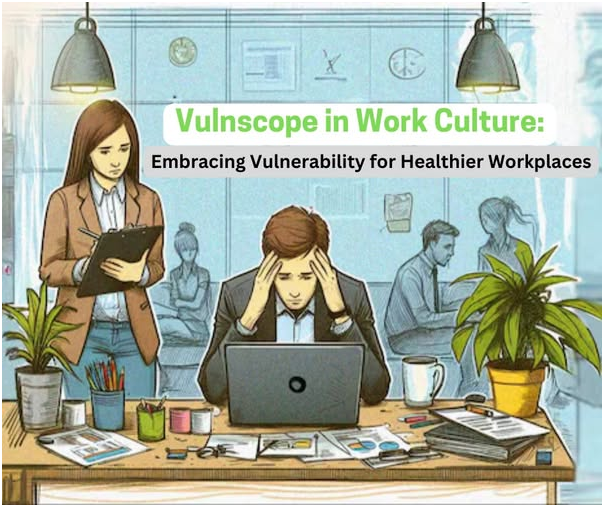
They face emotional battles due to work stress, bosses, or home situations but rarely share their sadness or frustration with colleagues or friends,
especially male professionals who are pressured to appear unfazed by work pressures and failures.
Such pretensions make them struggle even more.
Hiding their true state of mind and failing to address the situation, living in illusions.
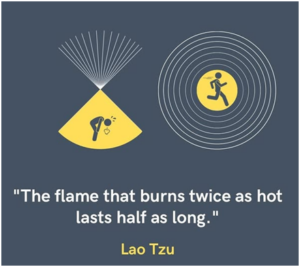
Resilience is beneficial if it comes naturally or through conscious effort; faking it causes more damage.
There should be enough scope for vulnerability for everyone.Sometimes, all one needs is to cry out frustrations to understanding ears to wash out stress or negativity. Often, we suggest being strong or tough, which only creates walls.